Maine Coon cat care often involves managing aggression, even though these beautiful felines are affectionately known as “gentle giants.” Like any cat, Maine Coons may develop unwanted behaviors such as biting, scratching, or territorial swatting.
The key is not to punish aggression but to understand its causes and redirect it through positive reinforcement, enrichment, and plenty of exercise.
Maine Coons are one of the largest domestic cat breeds, and with their high intelligence and energy levels, they require more physical and mental stimulation than most cats. Without proper outlets, frustration can lead to aggression.
One of the best solutions? Investing in large, sturdy cat trees designed for Maine Coons. Not only do cat trees satisfy their need to climb and scratch, but they also give your cat a safe outlet for energy and territorial behavior.
If you’re considering a cat tree, we have Maine Coon specific resources for you but before we get into that, lets talk more about their aggression so that you can make properly informed decisions.
TL;DR: Managing Aggression with Exercise and Enrichment
Maine Coon cat care and managing aggression starts with meeting their need for exercise and mental stimulation. Aggression in Maine Coons is often linked to pent-up energy, boredom, or stress rather than temperament. Providing structured play, positive reinforcement, and large, sturdy cat trees gives these gentle giants a healthy outlet for climbing, scratching, and releasing energy, which helps reduce frustration-based behaviors.
👉🏾 Looking for the best options? Check out our Top Recommendations for Cat Trees Designed for Maine Coons to find strong, size-appropriate climbing structures that support better behavior, confidence, and daily exercise.
Understanding Aggression in Maine Coon Cats
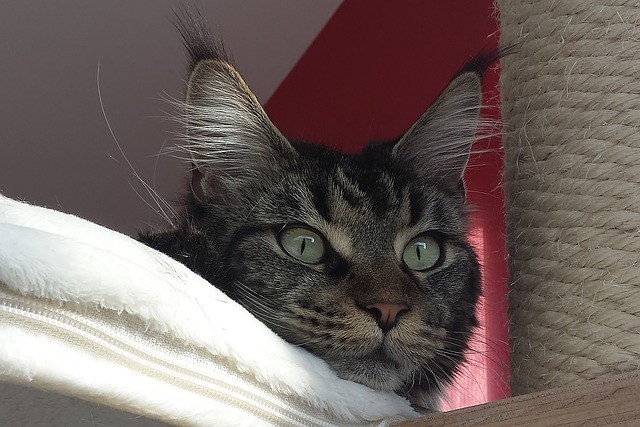
Aggression in Maine Coons usually stems from natural instincts or underlying issues. Recognizing the root cause is the first step to correcting the behavior.
- Play Aggression
Maine Coon kittens are especially prone to play biting and scratching. If not redirected early, these behaviors can carry into adulthood. - Territorial Aggression
These cats are confident and protective of their space. They may swat at other pets, or even people, if they feel their territory is being challenged. - Grooming Aggression
Because of their thick coats, grooming is essential. But if brushing causes discomfort or if the cat has had a negative past experience, aggression may follow. - Medical Issues
Aggression can be a sign of pain or illness. Always rule out medical problems with a vet if your Maine Coon suddenly shows unusual aggression. (Cornell Feline Health Center stresses the importance of veterinary evaluation for sudden behavioral changes.)
How to Manage Aggression in Maine Coons
Managing aggression takes consistency and patience. Here are proven strategies that work well with Maine Coons:
- Positive Reinforcement
Reward calm, gentle play with treats or affection. Never punish, as this can increase fear and aggression. - Redirect Aggression
If your Maine Coon bites or scratches, immediately offer a toy like a wand or throw toy instead. - Enrichment and Playtime
Provide multiple outlets: scratching posts, climbing trees, puzzle feeders, and interactive toys. The ASPCA notes that mental stimulation and exercise reduce frustration-related aggression (ASPCA Cat Behavior). - Safe Retreats
Give your Maine Coon hiding spots or elevated spaces to retreat when overwhelmed. This helps them feel secure. - Desensitization for Grooming
Pair grooming sessions with rewards. Start slow, and associate brushing with treats to build positive associations. - Consistency Across the Household
All family members should use the same commands and responses. Mixed signals confuse cats and prolong aggression issues. - Consult a Professional
If aggression escalates or persists, a veterinarian or certified feline behaviorist can provide tailored strategies and medication if necessary.
Why Cat Trees Are Essential for Aggression Management
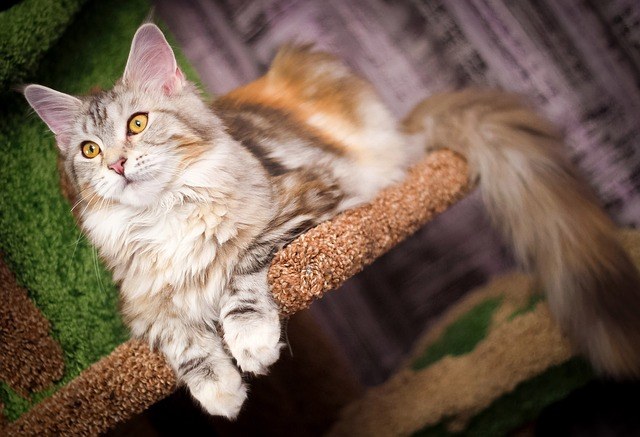
For Maine Coons, a cat tree is more than furniture, it’s a tool for behavioral balance. These cats need vertical space to climb, survey their territory, and burn energy. Without it, pent-up energy may spill over as aggression.
Benefits of Cat Trees for Maine Coons:
- Provides safe outlets for climbing and scratching
- Reduces territorial aggression by offering vertical space
- Helps prevent boredom and frustration
- Encourages independent play and exercise
If you’re looking for strong, durable models, that are designed for Maine Coon Cats, check out our in-depth guide for recommendations and important information that you need to know before choosing a cat tree for your cat.
Frequently Asked Questions About Maine Coon Cat Care and Aggression
Why is my Maine Coon cat suddenly aggressive?
Sudden aggression in a Maine Coon can be caused by pent-up energy, stress, territorial changes, or underlying medical issues. Maine Coons are active, intelligent cats, and when their physical or mental needs are not met, frustration can show up as biting, scratching, or swatting. A veterinary check is always recommended when aggression appears unexpectedly.
Is aggression normal in Maine Coon cats?
Maine Coons are generally known for their gentle temperament, but occasional aggression is normal, especially during kittenhood, adolescence, or periods of stress. Play aggression and territorial behavior are the most common forms and can usually be managed with proper enrichment and consistent routines.
Can lack of exercise cause aggression in Maine Coons?
Yes. Lack of exercise is one of the most common causes of aggression in Maine Coon cats. Because of their large size and high energy levels, Maine Coons need more physical activity than many other breeds. Without climbing, jumping, and active play, excess energy can turn into behavioral issues.
Do cat trees really help reduce aggression in Maine Coons?
Absolutely. Cat trees give Maine Coons a healthy outlet for climbing, scratching, and observing their territory from above, which naturally reduces stress and frustration. Large, sturdy cat trees designed for Maine Coons are especially effective at preventing boredom-related aggression.
How many cat trees does a Maine Coon need?
For a single Maine Coon, at least one large, stable cat tree is recommended, ideally placed in a main living area. In multi-cat homes, multiple climbing structures help reduce territorial tension and give each cat their own space.
How should I handle play aggression in a Maine Coon kitten?
Play aggression should always be redirected, not punished. Use wand toys, throw toys, or climbing structures to redirect biting or scratching away from hands. Reward calm play with treats or praise to reinforce good behavior early.
Can grooming cause aggression in Maine Coon cats?
Yes. Grooming aggression can occur due to matting, sensitive skin, fear, or past negative experiences. Gradual desensitization and pairing grooming sessions with positive rewards can help reduce stress and defensive reactions.
When should I consult a professional about aggression?
If aggression is persistent, escalating, or causing injury, it’s time to consult a veterinarian or certified feline behaviorist. Professional guidance can rule out medical causes and provide behavior plans tailored to your Maine Coon’s needs.
Final Thoughts
Maine Coon cat care requires patience, consistency, and enrichment to manage aggression. By addressing the root cause, whether it’s play, territory, grooming discomfort, or pain, you’ll help your gentle giant feel secure and calm.
And by investing in exercise outlets like cat trees, you’ll reduce frustration while giving your Maine Coon the mental and physical stimulation they crave.
If you’re wondering what your next steps should be, you can start by exploring the 10 Best Cat Trees for Maine Coons to learn more about structures that can handle their size and strength. You can click the button below to check that out.