Maine Coon cat care starts with knowing the health issues this large, slow-maturing breed is most prone to, so you can spot concerns early and support long-term wellness. Maine Coons are affectionate, resilient cats, but their size, growth rate, and genetics mean they benefit from proactive care, regular vet checkups, and a home environment designed for their bodies.
Below are 10 health issues Maine Coon owners should watch for, along with practical steps you can take at home to support your cat’s health and comfort.
TL;DR Top 10 Health Issues To Watch For In Maine Coon Cats
Maine Coon cat care includes watching for breed-specific health issues like heart disease, joint stress, and mobility concerns. Because of their large size and slow growth, Maine Coons benefit from early monitoring, regular vet care, and a home environment that supports safe movement. Providing sturdy, well-designed cat trees can help reduce joint strain, encourage healthy exercise, and support long-term mobility, especially as your cat ages.
👉🏾 To support your Maine Coon’s daily movement and joint health, check out The Best Cat Tree For Maine Coons to find climbing structures built specifically for large, heavy cats.
Have questions about Maine Coon health or your cat’s setup? Feel free to ask, we’re happy to help.
Summarize This Content With AI
1. Hypertrophic Cardiomyopathy (HCM)
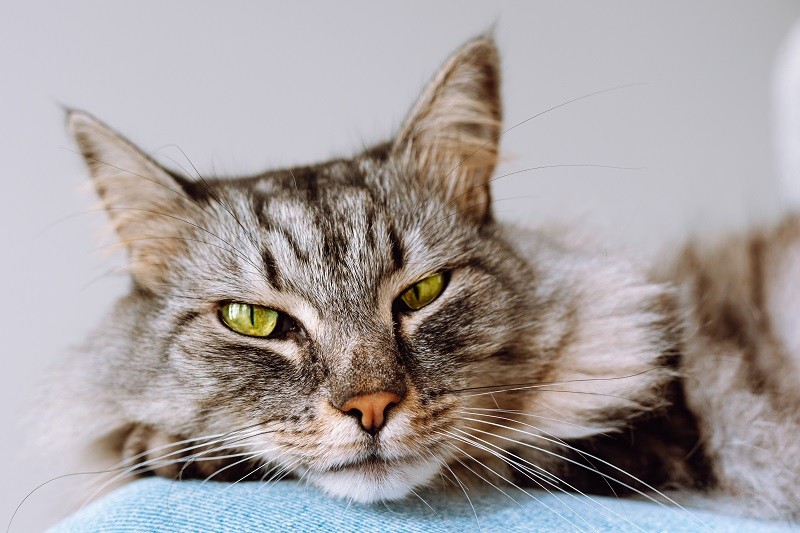
HCM is the most common heart condition in Maine Coon cats. It causes thickening of the heart muscle, which can reduce the heart’s ability to pump blood efficiently. Some cats show no symptoms early on, making regular veterinary screening especially important.
What to watch for:
- Lethargy
- Rapid breathing
- Sudden weakness in the hind legs
Veterinary cardiology screenings and genetic testing are often recommended for Maine Coons. The Cornell Feline Health Center provides extensive guidance on feline heart disease and early detection.
2. Hip Dysplasia
Because of their large frame, Maine Coons are more prone to hip dysplasia, a condition where the hip joint does not fit properly. Over time, this can lead to arthritis and reduced mobility.
What to watch for:
- Difficulty jumping
- Stiffness after resting
- Reluctance to climb stairs or furniture
Maintaining a healthy weight and providing joint-friendly movement can help reduce strain on the hips.
3. Spinal Muscular Atrophy (SMA)
SMA (Spinal Muscular Atrophy) is a genetic condition seen primarily in Maine Coons. It affects the spinal cord neurons, leading to muscle weakness, especially in the hind legs.
What to watch for:
- Trembling when standing
- Weakness in the back legs
- Difficulty jumping
While SMA is not painful, affected cats benefit from supportive environments that minimize strain and slipping.
4. Polycystic Kidney Disease (PKD)

PKD (Polycystic Kidney Disease) causes cysts to form in the kidneys and can gradually impair kidney function. Though less common in Maine Coons than some other breeds, it’s still something to be aware of.
What to watch for:
- Increased thirst
- Frequent urination
- Weight loss
Routine blood work and ultrasounds can help detect kidney changes early.
5. Joint Stress And Early Arthritis
Due to their size and growth pattern, joint stress and early arthritis are common health concerns in Maine Coons, even at relatively young ages. Their long bodies and heavy frames place additional pressure on hips, knees, and shoulders, especially if they regularly jump from unstable or poorly designed furniture.
What to watch for:
- Hesitation before jumping
- Reduced activity or playfulness
- Stiff or awkward movement, especially after resting
Supporting joint health means minimizing unnecessary impact while still encouraging movement. Providing stable climbing and resting areas allows Maine Coons to move comfortably without excessive strain.
👉🏾 For guidance on structures designed to support large cats, you may find our article on The Best Cat Tree For Maine Coons helpful when creating a joint-friendly home environment. Click the button below to read more.
6. Obesity
Maine Coons can be prone to weight gain if their diet and activity levels aren’t balanced. Extra weight places stress on the heart, joints, and spine.
What to watch for:
- Reduced stamina
- Difficulty grooming
- Less interest in play
The ASPCA emphasizes regular play and enrichment as key tools for preventing obesity in indoor cats. Cat trees are a great way to get your cat active but you can’t just pick any flimsy, poorly built unit. We have a couple of options here in our special resource hub for Maine Coon Cats and Large Breed Cats.
7. Dental Disease
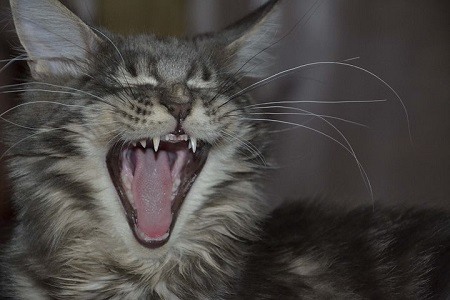
Dental issues can develop quietly and affect overall health. Maine Coons, with their large jaws, can accumulate plaque quickly without routine dental care.
What to watch for:
- Bad breath
- Drooling
- Reluctance to eat hard food
Regular dental checks and appropriate chew toys can help reduce buildup.
8. Gastrointestinal Sensitivities
Some Maine Coons experience sensitive digestion or food intolerances, which can lead to vomiting or loose stools.
What to watch for:
- Frequent hairballs
- Digestive upset
- Changes in appetite
Gradual diet changes and vet-recommended foods are often helpful.
9. Respiratory Issues
While not breed-specific, upper respiratory infections can hit larger cats harder due to airway inflammation.
What to watch for:
- Sneezing
- Nasal discharge
- Labored breathing
Prompt veterinary care helps prevent complications.
10. Stress-Related Behavioral Changes
Stress can contribute to both behavioral and physical health issues, including aggression, overgrooming, and appetite changes.
What to watch for:
- Sudden behavior shifts
- Hiding more than usual
- Increased irritability
Enrichment, routine, and vertical space play a major role in stress reduction. You may also find this helpful:
- Managing Aggression In Maine Coon Cats
- Why Cat Trees Are Essential For Large Cat Breeds
Quick Takeaways: Maine Coon Health
- Maine Coon cats are prone to breed-specific health issues related to their size, genetics, and slow growth rate.
- Heart health, joint stress, and mobility concerns are among the most important issues to monitor throughout their lives.
- Early observation matters. Subtle changes in movement, energy, or behavior can signal developing health problems.
- Joint-friendly environments and controlled exercise help reduce long-term wear on hips, knees, and shoulders.
- Sturdy, well-designed cat trees support healthy movement, allowing Maine Coons to climb and rest without unnecessary impact.
If you’re ever unsure whether a behavior or physical change is normal, it’s always best to consult your veterinarian and adjust your cat’s environment as needed.
FAQ: Health Issues To Watch For In Maine Coon Cats
Are Maine Coon cats generally healthy?
Yes, Maine Coons are generally healthy cats, but they are predisposed to certain genetic and size-related health conditions. With regular vet care and proper home support, many Maine Coons live long, comfortable lives.
What health issues are Maine Coons most prone to?
The most common health concerns include hypertrophic cardiomyopathy (HCM), joint stress or arthritis, hip dysplasia, and spinal muscular atrophy (SMA). Being aware of these conditions allows for early intervention.
At what age do Maine Coon health issues usually appear?
Some genetic conditions may appear early, while joint and mobility issues often develop gradually as Maine Coons mature. Because they grow slowly, changes can be subtle and easy to miss without regular observation.
How does a Maine Coon’s size affect their health?
Their large frame places extra stress on joints, the spine, and the heart, especially if they are overweight or lack proper exercise outlets. Supporting safe movement is especially important for this breed.
Can environment and furniture choices impact Maine Coon health?
Absolutely. Unstable furniture or poorly spaced jumping surfaces can increase joint strain over time. Choosing climbing structures designed for large cats helps promote safer movement and confidence.
When should I contact a vet about a health concern?
If you notice sudden behavior changes, mobility issues, breathing changes, or persistent discomfort, a veterinary visit is recommended. Early evaluation can prevent small issues from becoming serious problems.
Final Thoughts
Watching for health issues in Maine Coon cats is about prevention, observation, and smart environment choices. Regular vet care, proper nutrition, and safe movement options all work together to support long-term health.
For large cats especially, choosing furniture designed for their size is not just about comfort, it’s about protecting joints, confidence, and mobility.
If you have questions about Maine Coon health or want help choosing the right climbing setup, feel free to ask in the comments. If you’re more of the independent type, checkout our resource hub by clicking the button below. Either way, we’re always happy to help you make informed choices for your cats.